What Is CBN? Benefits, Effects, and How It Helps You Sleep
If you have spent any time browsing the sleep aisle lately, you have probably noticed a new cannabinoid showing up next to CBD on gummy labels. That ingredient is CBN, and it is quickly becoming known as the “sleepy cannabinoid.” But what exactly is it, and does the hype hold up?
We get this question constantly from customers who are tired of staring at the ceiling at 2 a.m. and want a natural option that does not come with the next day fog of prescription sleep aids. Here is what CBN actually is, how it works, and what to look for if you decide to try it.
What Is CBN, Exactly?
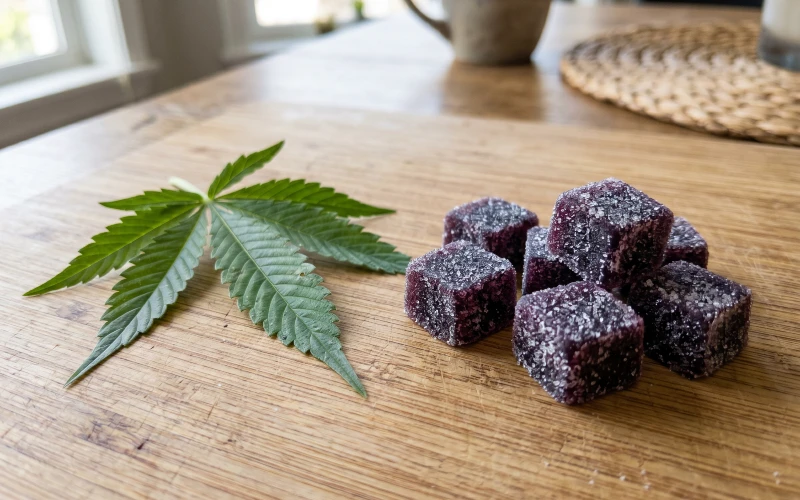
CBN, short for cannabinol, is one of more than 100 naturally occurring cannabinoids found in the hemp plant. Unlike CBD or THC, which are abundant in fresh cannabis, CBN is considered a minor cannabinoid. It typically forms when THC ages and breaks down through exposure to heat, light, and oxygen over time.
That origin story is part of why CBN has earned its sleepy reputation. Older cannabis flower, which contains more degraded THC, has historically been associated with a heavier, more sedating effect. Researchers have spent the last several years trying to figure out whether CBN itself deserves the credit.
CBN interacts with your body’s endocannabinoid system, a network of receptors that helps regulate sleep, mood, appetite, and pain. It is non-intoxicating, meaning it will not produce the “high” associated with THC, even at higher doses.
Does CBN Actually Help With Sleep?
This is the question everyone wants answered, and the honest response is that the science is promising but still developing.
A few key findings from the research so far:
• An early animal study using polysomnography found that CBN increased total sleep time and altered sleep architecture in a way similar to a common prescription sleep medication, though animal results do not always translate directly to humans.
• A randomized, placebo controlled human trial testing CBN doses of 25mg, 50mg, and 100mg found meaningful improvements in sleep quality compared to placebo, performing on par with a standard melatonin dose.
• Researchers studying CBN’s primary metabolite believe it may play a specific role in supporting longer, less interrupted sleep, which is why many people use CBN less for falling asleep quickly and more for staying asleep through the night.
The Sleep Foundation notes that no CBN product has been approved by the FDA for medical use, and more rigorous, large scale studies are still needed. That said, many users report real, noticeable improvements, especially when CBN is paired with other calming ingredients rather than used on its own.
CBN vs. CBD vs. THC: What Is the Difference?
It helps to see these three cannabinoids side by side.
Cannabinoid
Intoxicating?
Primary Reputation
Common Use
CBD
No
Calm, balance, stress relief
Daily wellness, anxiety support
CBN
No
Sedation, sleep continuity
Nighttime, sleep support
THC
Yes
Euphoria, relaxation
Recreational and certain pain or sleep uses
Many sleep formulas now combine CBD and CBN together. CBD helps quiet daily stress and physically relax the body, while CBN appears to target the staying asleep piece of the equation. Used together, they may offer a more complete nighttime experience than either compound alone.
How Much CBN Should You Take?
Dosing research is still catching up to the marketplace, but most current studies and product formulations land somewhere between 10mg and 50mg of CBN, typically taken 30 to 60 minutes before bed.
A few practical tips if you are trying CBN for the first time:
1. Start low. Many people find 10mg is enough, especially when CBN is combined with CBD or calming botanicals.
2. Take it consistently. Like most natural sleep supports, CBN tends to work best as part of a steady nightly routine rather than an occasional fix.
3. Pair it with good sleep hygiene. No cannabinoid replaces a dark room, a consistent bedtime, and limited screen time before bed.
4. Check the full ingredient list. CBN often works better alongside other research backed ingredients like passionflower or GABA.
What to Look for in a Quality CBN Sleep Product
Not all CBN gummies are created equal. The hemp industry is still loosely regulated in places, so a little label literacy goes a long way.
Look for these markers of quality and transparency:
• Third party lab testing. A reputable brand will test every batch at an independent, ISO certified lab and make those certificates of analysis easy to find.
• Clear cannabinoid amounts. You should know exactly how many milligrams of CBD and CBN are in each serving, not a vague “proprietary blend.”
• Broad spectrum or full spectrum hemp. These extracts retain beneficial terpenes and minor cannabinoids that may work together through what researchers call the entourage effect.
• Domestic sourcing. Hemp grown in the United States under regulated agricultural practices tends to carry more consistent quality control.
• Non habit forming formulas. Unlike many prescription sleep aids, well formulated hemp based gummies should not carry dependency risk.
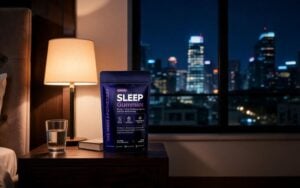
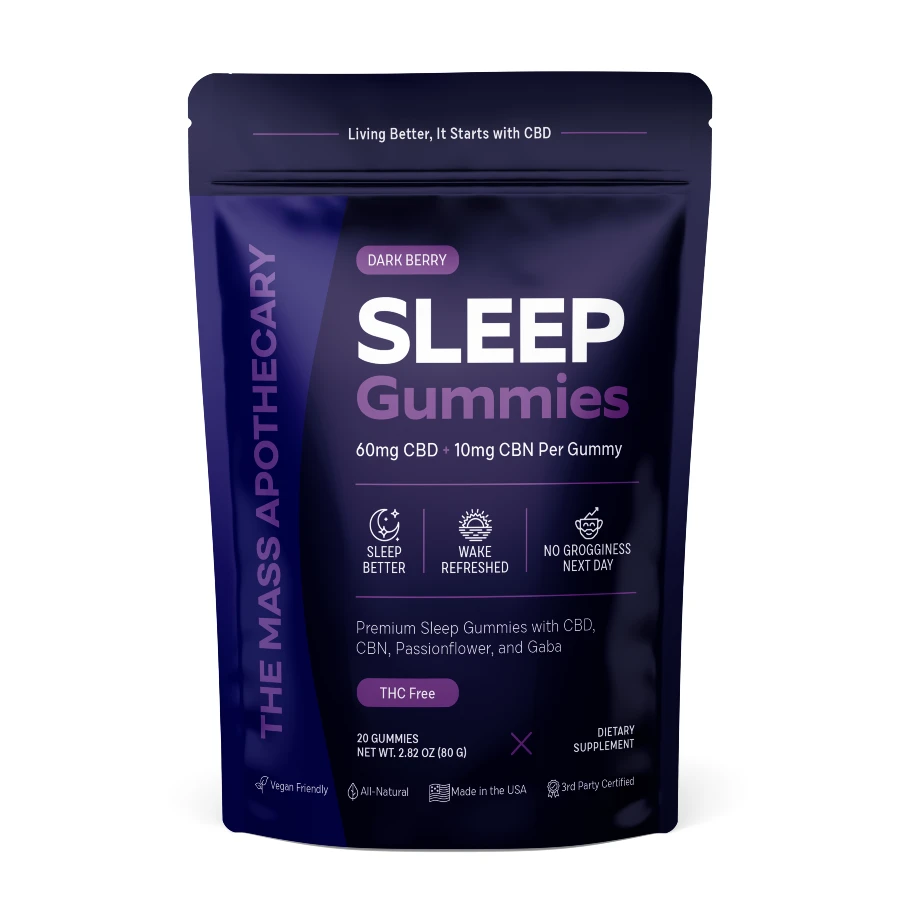
A good example of this approach is the Mass Apothecary Sleep Gummies, which combine 60mg of broad spectrum CBD with 10mg of CBN per gummy, along with passionflower and GABA. Every batch is third party tested at an ISO certified lab, and the formula is vegan, all natural, and made in the USA. It is the kind of transparent, ingredient forward formulation we recommend people look for when comparing CBN products.
Is CBN Safe?
For most healthy adults, CBN appears to be well tolerated, with research showing a safety profile similar to other hemp derived cannabinoids. Side effects, when they occur, tend to be mild and may include grogginess or dry mouth.
As with any supplement, it is worth talking to your doctor before adding CBN to your routine, especially if you take prescription medications, are pregnant or nursing, or manage a chronic health condition.
Frequently Asked Questions
Will CBN make me feel high?
No. CBN is non-intoxicating. Hemp derived CBN products sold legally in most states contain only non-detectable levels of THC, so you will not experience the psychoactive effects associated with marijuana.
How long does it take for CBN to work?
Most users report feeling the effects within 30 to 45 minutes, which is why it is generally recommended to take CBN about half an hour before your desired bedtime.
Can I take CBN every night?
Yes, for most adults. Because hemp derived CBN is non-habit forming, it can typically be incorporated into a nightly routine without the dependency concerns associated with prescription sleep medication. Check with your doctor if you have underlying health conditions.
Is CBN legal?
Hemp derived CBN with non-detectable THC is federally legal in the United States and legal in most states, though regulations continue to evolve. Always check your local laws before purchasing.
The Bottom Line
CBN is one of the more exciting developments in the world of natural sleep support. While researchers are still working out exactly how and why it helps, early studies and a growing body of user experience suggest it may genuinely support longer, more restful sleep, particularly when combined with complementary ingredients like CBD, passionflower, and GABA.
If you are ready to try it for yourself, look for a transparent, third party tested formula like the Mass Apothecary Sleep Gummies, and give your body a few nights to adjust before deciding whether it is the right fit for your routine.
About Derek Wilcox
Owner of The Mass Apothecary CBD Store that has a passion for helping people and writing about hemp. CBD, and other premium wellness products.