Introduction
If you have ever noticed that a cup of green tea leaves you feeling calm and clear headed rather than jittery like coffee sometimes does, L-theanine deserves some of the credit. This naturally occurring amino acid has become one of the most talked about calming supplements in recent years, showing up in everything from focus blends to nighttime gummies. But what is L-theanine actually good for, and how much of the hype is backed by real research? This guide walks through what the science says, how it works in your body, and how to use it well.
What Is L-Theanine?
L-theanine is a non-essential amino acid found almost exclusively in tea leaves and a small number of mushroom species. It was first identified by Japanese researchers studying green tea in the late 1940s, and it is part of what gives tea its distinctive savory, umami quality.
Unlike caffeine, L-theanine is not stimulating on its own. Instead, it is best known for promoting a state researchers describe as calm, focused alertness, which is part of why tea drinkers often describe a different kind of energy than coffee drinkers do.
How Does L-Theanine Work?
L-theanine is well absorbed in the intestine and is able to cross the blood-brain barrier, which means it can act directly on the brain rather than needing to work through indirect pathways. Once there, research suggests it increases alpha brain wave activity, the same wave pattern associated with relaxed wakefulness, similar to what shows up during light meditation.
L-theanine also appears to modestly influence GABA, serotonin, and dopamine levels, all of which play a role in mood and stress regulation, and some research points to a reduction in cortisol response during acute stress. Importantly, none of this works through sedation. L-theanine does not make you drowsy the way a sleep medication would. It simply seems to take the edge off mental activation.
What Is L-Theanine Good For?
Calm, Focused Alertness
This is where L-theanine’s research is strongest. Especially when paired with caffeine, studies suggest L-theanine can improve attention and reaction time while smoothing out the jittery, anxious edge that caffeine alone sometimes produces. This combination is part of why L-theanine has become popular among students and professionals who want steady focus without feeling wired.
Stress and Everyday Anxiety
L-theanine has a reputation as a gentle anti-anxiety compound, and some studies support that, particularly in people who report higher than average anxiety to begin with. That said, the research here is genuinely mixed. Some trials show a real reduction in stress markers, while others find little difference compared to a placebo, especially in people who were not particularly anxious to start. It is fair to say L-theanine may help take the edge off everyday stress for some people, without expecting it to work like a prescription anti-anxiety medication.
Sleep Support
L-theanine is often marketed as a sleep aid, but this is worth clarifying. It has not been shown to directly induce sleep the way melatonin or a sedative would. Its real strength for sleep lies in calming the racing thoughts and mental “wired but tired” feeling that often keeps people awake in the first place. For anyone whose sleep struggles are more mental than physical, that distinction matters, and it is why L-theanine is frequently paired with other calming ingredients in sleep formulas rather than used entirely on its own.
Relaxation Without Drowsiness
Because L-theanine promotes calm without sedating, many people use it simply to support a sense of relaxed steadiness throughout the day, not just before bed. This “wakeful relaxation” effect is one of the more consistently reported benefits across the research.
L-Theanine and Caffeine: A Popular Pairing
One of the best studied uses of L-theanine is alongside caffeine. The combination appears to preserve caffeine’s alertness benefits while reducing the anxious, jittery side effects some people experience, which is part of why you will see this pairing in coffee, matcha, and some nootropic supplements. A common ratio used in research is roughly two parts L-theanine to one part caffeine.
Natural Food Sources of L-Theanine
Tea is by far the most practical natural source, with green tea generally containing higher concentrations than black tea, though this varies by growing conditions and processing. Matcha, made from whole ground tea leaves, tends to deliver a more concentrated dose than steeped tea. Certain mushroom species also contain L-theanine, though in much smaller, less practical amounts for supplementation purposes.
L-Theanine Dosage and Safety
Research on L-theanine typically uses doses in two ranges depending on the goal:
● 100mg to 200mg for daytime calm focus, often paired with caffeine.
● 200mg to 400mg for evening relaxation or stress relief, generally taken thirty to sixty minutes before the desired effect.
Effects appear to plateau around 400mg, meaning higher doses have not been shown to provide additional benefit. L-theanine has a strong safety profile overall, is considered non habit forming, and works without a buildup period, meaning you should notice its effects from the first dose rather than needing weeks of consistent use. As with any supplement, check with a healthcare provider before starting L-theanine if you are pregnant, nursing, or taking medication, particularly blood pressure medication, since L-theanine may have a mild blood pressure lowering effect of its own.
How L-Theanine Fits Into Sleep and Calm Formulas
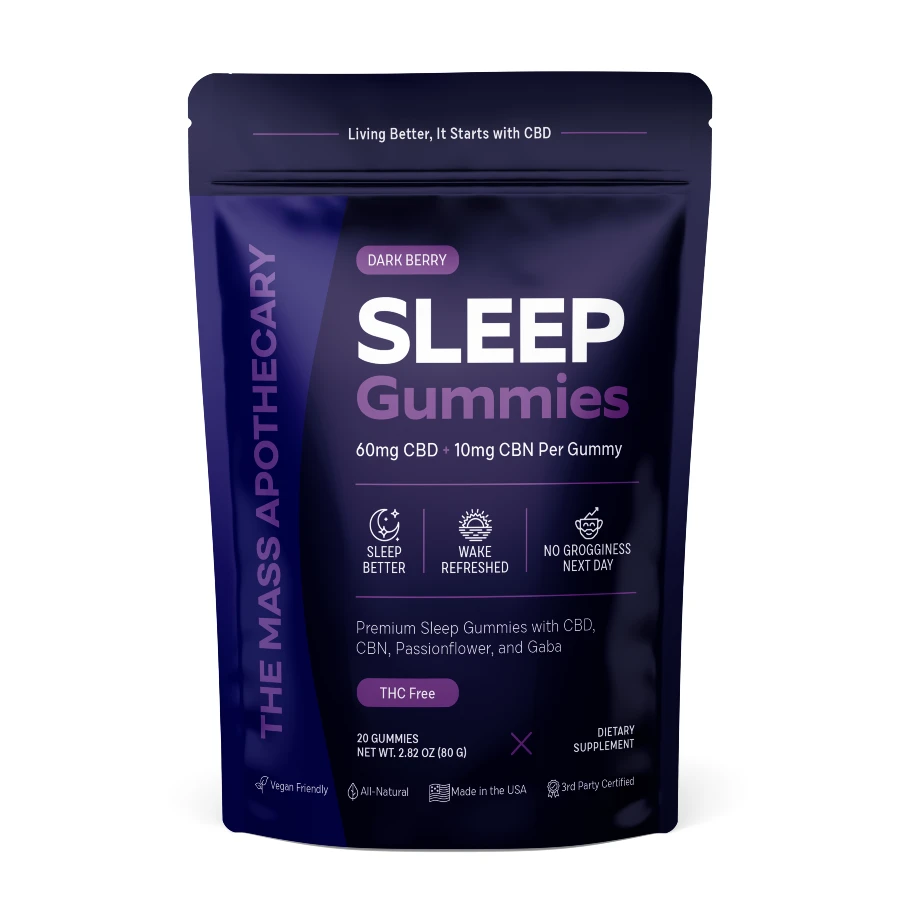
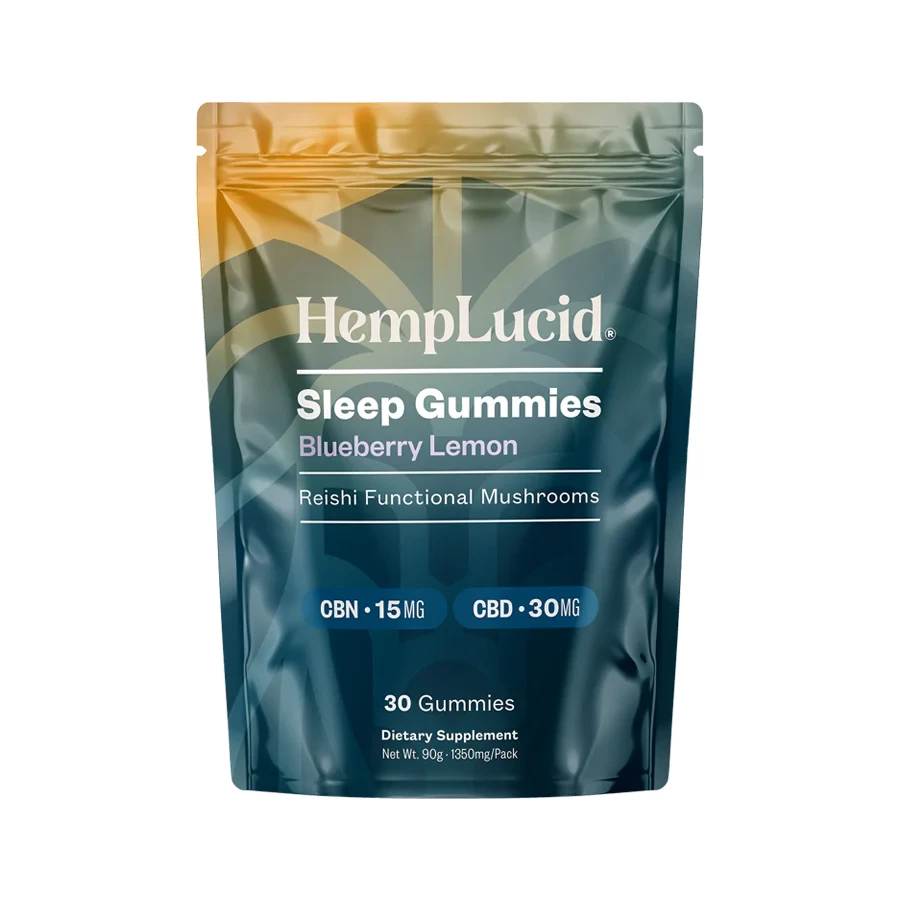
Because of its calming, non-sedating profile, L-theanine is a common addition to stress relief and nighttime supplement blends, often paired with ingredients like magnesium, GABA, or melatonin. It is worth noting that not every calming sleep formula includes L-theanine specifically. Mass Apothecary Sleep Gummies, for example, build their calming effect around 60mg of broad spectrum CBD, 10mg of CBN, 25mg of passionflower, and 20mg of GABA rather than L-theanine. GABA works through a related but distinct pathway, and the two are sometimes used interchangeably or even combined in other products, so it is worth reading any label closely if L-theanine specifically is what you are looking for.
Frequently Asked Questions
How long does it take for L-theanine to work?
L-theanine works acutely, meaning you should notice its calming effects within thirty to sixty minutes of taking it, without needing a buildup period like some other supplements.
Can I take L-theanine every day?
Yes, L-theanine is generally considered safe for daily use and is non habit forming. Many people take it consistently, either alongside caffeine during the day or in the evening for relaxation.
Does L-theanine make you sleepy?
Not directly. L-theanine promotes calm and relaxation without sedation, which is different from a traditional sleep aid. It may help you wind down by quieting a racing mind, but it will not make you drowsy the way melatonin or a sedative might.
What is the difference between L-theanine and GABA?
Both are amino acids associated with calming effects, but they work through somewhat different mechanisms. L-theanine increases alpha brain wave activity and modestly influences several neurotransmitters, while GABA is itself the brain’s primary inhibitory neurotransmitter. Some products use one, the other, or both together.
The Bottom Line
L-theanine has earned its reputation as a gentle, well tolerated way to support calm, focused alertness and take the edge off everyday stress, even if some of its more ambitious claims outpace the current research. It is not a sedative and will not force you to sleep, but for racing thoughts and daytime jitters, it is one of the better studied natural options available. As always, look for transparent, third party tested products, start with a standard dose, and check with a healthcare provider if you have questions about how L-theanine fits into your routine.