Introduction
If you have ever felt your mind finally slow down after a long day, or noticed how some supplements claim to “calm your brain,” there is a good chance GABA was involved somewhere in that story. GABA has become a common ingredient in sleep and stress support products, but most people have never heard an explanation of what it actually does or why it matters. This guide breaks down what GABA is, what it is genuinely good for, and where the science is still catching up to the marketing.
What Is GABA?
GABA stands for gamma-aminobutyric acid, and it is the main inhibitory neurotransmitter in the human central nervous system. In plain terms, GABA is one of your brain’s primary calming chemicals. While other neurotransmitters like glutamate excite and speed up brain activity, GABA does the opposite: it slows things down, quiets overactive signaling, and helps your nervous system shift out of high alert mode.
Your body produces GABA naturally, and it plays a role in regulating everything from sleep and anxiety to muscle tone and stress response. When GABA activity is running smoothly, you tend to feel calmer and more settled. When it is disrupted, whether from stress, poor sleep, or other factors, that calming brake pedal does not work as well.
What Is GABA Good For?
Supporting sleep onset and quality. GABA is probably best known for its role in sleep. Research on oral GABA supplements has shown it can shorten the time it takes to fall asleep and increase time spent in deep, non-REM sleep, particularly when taken consistently over several weeks.
Easing everyday stress and anxious feelings. Because GABA is the brain’s main calming neurotransmitter, low GABA activity has been associated with anxiety and a harder time managing everyday stress. Supplementing with GABA, or supporting your body’s natural GABA production, is commonly used as a gentle way to promote a calmer baseline state.
Muscle relaxation and physical tension. GABA’s inhibitory effects extend beyond the brain. Some people use GABA supplements to help ease physical tension that tends to build up alongside mental stress.
Emerging areas of interest. Newer research is exploring GABA’s connection to the gut-brain axis, including studies on GABA-producing probiotics and their effects on both sleep and anxiety measures. This is a genuinely interesting area of ongoing research, though it is still early, and more large scale human studies are needed before firm conclusions can be drawn.
An Important Caveat: Does Oral GABA Actually Reach the Brain?
Here is where honesty matters. GABA is a fairly large, charged molecule, and under normal circumstances the blood-brain barrier limits how much of it can pass directly from the bloodstream into brain tissue. This has led some researchers to question exactly how oral GABA supplements produce their calming effects, since simply swallowing GABA does not guarantee it reaches the same receptors that produce sedation when GABA is active inside the brain.
That said, multiple human trials have still found real effects on sleep latency and anxiety measures after oral GABA supplementation. Some researchers believe these effects may work partly through the gut, the enteric nervous system, or peripheral pathways that indirectly influence brain activity, rather than GABA molecules crossing directly into the brain in large amounts. In short, the practical evidence for benefits is reasonably encouraging, even though the precise mechanism is still being worked out.
How Much GABA Do People Typically Take?
There is no single official dosage, but human studies commonly use amounts in the 100mg to 300mg range, often taken thirty minutes to an hour before bed for sleep support. Research has found doses as high as several grams daily to be generally well tolerated in healthy adults, though most wellness products stick to a much smaller, more targeted dose within a broader calming formula.
As with any supplement, starting on the lower end and paying attention to how your body responds is a reasonable approach, especially if you are new to GABA.
Food Sources and Supplement Forms
GABA occurs naturally in fermented foods like kimchi, miso, and tempeh, as well as in certain teas and some vegetables, though in much smaller amounts than what you would get from a targeted supplement. For a more concentrated dose, GABA is most commonly available as:
● Standalone capsules or powders, offering a straightforward, single ingredient dose.
● Combination formulas, where GABA is paired with other calming ingredients like L-theanine, passionflower, or CBD, based on the idea that these compounds may work better together than any one alone.
● Gummies, which offer a pre-measured, easy to take format, often as part of a broader nighttime or stress relief blend.
Who Might Consider Trying GABA?
GABA is generally considered by adults who experience occasional racing thoughts at bedtime, everyday stress that makes it hard to unwind, or a general sense of being “wired” even when tired. It is not intended to treat diagnosed anxiety disorders or clinical insomnia, and it is not a substitute for therapy, prescribed medication, or medical treatment of a sleep disorder.
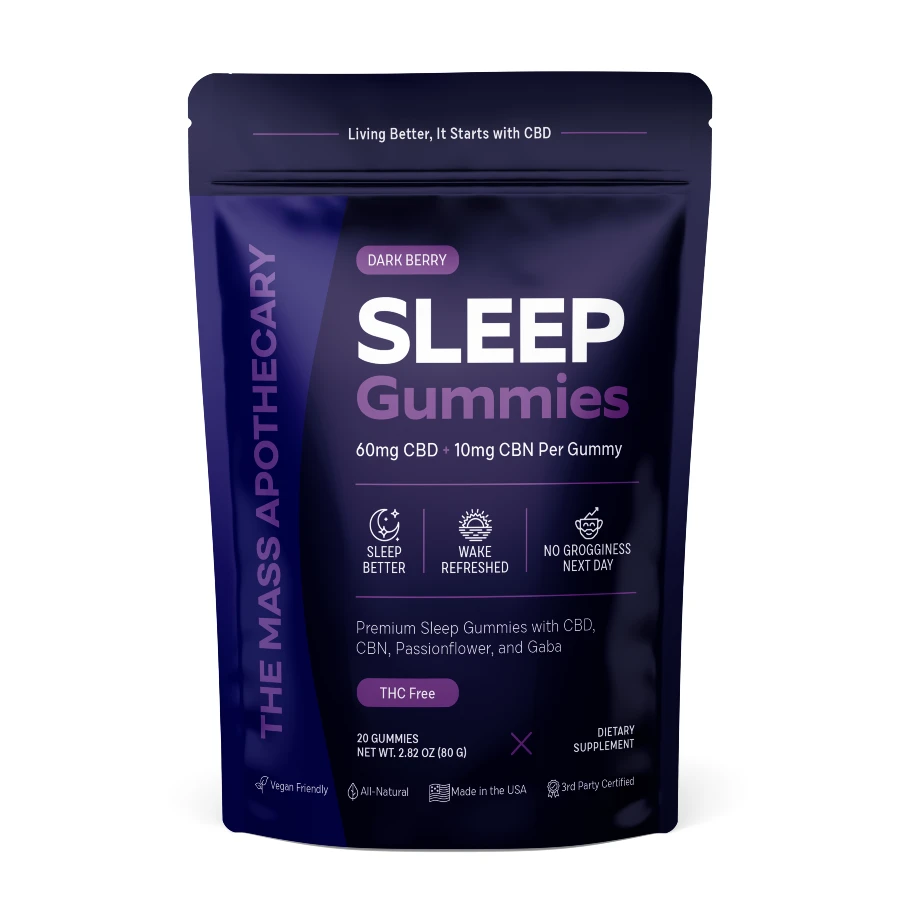
If you are looking for a real world example of how GABA shows up in a combination formula, the Mass Apothecary Sleep Gummies include 20mg of GABA alongside 60mg of broad spectrum CBD, 10mg of CBN, and 25mg of passionflower per gummy. It is a useful illustration of how GABA is typically formulated alongside other calming ingredients rather than used entirely on its own.
Safety Considerations
● Some people report mild side effects like drowsiness, an upset stomach, or headache, usually at higher doses.
● GABA may enhance the effects of other sedatives or calming medications, so combining it with alcohol, sleep medication, or anti-anxiety prescriptions is not recommended without medical guidance.
● Pregnant or nursing individuals, and anyone managing a diagnosed neurological or psychiatric condition, should talk to a doctor before starting GABA.
● GABA supplements are not intended to diagnose, treat, cure, or prevent any disease.
Frequently Asked Questions
Is GABA the same as melatonin?
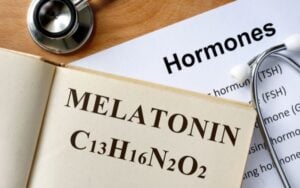
No. Melatonin is a hormone that signals your body’s internal clock that it is time to sleep, while GABA is a neurotransmitter that calms nervous system activity. They work through different pathways, which is why some products combine both.
How long does it take for GABA to work?
Research on oral GABA supplements shows it can be absorbed into the bloodstream fairly quickly, often reaching peak levels within about thirty minutes, which is why many people take it thirty to sixty minutes before their intended bedtime.
Can I take GABA every night?
Many people use GABA nightly as part of a calming or sleep routine, and it is generally considered non habit forming at typical doses. Still, check with a healthcare provider before adding any new supplement to a nightly routine, especially if you take other medications.
Is GABA safe to combine with CBD?
GABA and CBD are commonly formulated together in wellness products, since both are associated with calming effects through different pathways. As always, check the specific product’s label and talk to a doctor if you have questions about combining supplements.
The Bottom Line
GABA is your brain’s primary calming neurotransmitter, and supplementing with it is most commonly associated with easier sleep onset, a calmer baseline mood, and support for everyday stress. The science on exactly how oral GABA produces these effects is still being refined, but the practical research on sleep and anxiety outcomes is genuinely encouraging. As with any supplement, look for transparent, lab tested products, start with a modest dose, and talk to a healthcare provider if you have questions about how GABA fits into your routine.