You picked up a bottle of melatonin hoping for one thing: better sleep. But before you pop that gummy or tablet, it is worth understanding exactly what this popular supplement does to your body, including the side effects that do not always make it onto the label. Whether you are a first time user or someone who has been taking it for months, this guide breaks down what the research says, who should be cautious, and what gentler alternatives are worth considering.
What Is Melatonin, Exactly?
Melatonin is a hormone your brain produces naturally, mostly at night, to help regulate your sleep wake cycle. When darkness falls, your pineal gland releases it, signaling to your body that it is time to wind down. Supplemental melatonin is a synthetic or animal derived version of that same hormone, sold over the counter as tablets, gummies, and liquid drops.
Because it is sold without a prescription, many people assume melatonin is completely risk free. It is generally considered safe for short term use in healthy adults, but like any supplement that interacts with your hormones and nervous system, it can come with side effects worth knowing about.
Common Side Effects of Melatonin
Most people tolerate melatonin reasonably well, but research and clinical reports point to a handful of side effects that show up frequently enough to mention.
- Daytime drowsiness or grogginess, especially if the dose is too high or taken too late
- Headaches, which are among the most commonly reported complaints
- Dizziness or a lightheaded feeling upon waking
- Nausea or mild stomach discomfort
- Vivid dreams or, in some cases, unsettling nightmares
- Irritability or short term mood changes
These effects tend to be mild and temporary, often resolving once your body adjusts or once you lower the dose. That said, everyone metabolizes melatonin differently, so what feels mild to one person might feel disruptive to another.
Less Common but Important Side Effects
Beyond the everyday complaints, a smaller number of users report effects that are worth paying closer attention to.
- Daytime sleepiness that lingers well into the next day, sometimes called a melatonin hangover
- Drops in blood pressure or, less often, temporary spikes
- Changes in blood sugar levels, which matters for anyone managing diabetes
- Hormonal shifts, since melatonin can influence reproductive hormones with prolonged use
- Increased anxiety in a subset of users, despite melatonin being marketed as calming
If you notice any of these reactions, it is worth speaking with a doctor or pharmacist, particularly if you take other medications or manage a chronic health condition.
Who Should Be Extra Cautious
Melatonin is not the right fit for everyone. A few groups should talk to a healthcare provider before adding it to their routine.
- Pregnant or breastfeeding individuals, since research on long term safety in these groups is limited
- People taking blood thinners, immunosuppressants, blood pressure medication, or diabetes medication
- Anyone with an autoimmune condition, since melatonin can influence immune activity
- Children and teens, where dosing and long term hormonal effects are still being studied
- People with depression or other mood disorders, since melatonin may interact with mood regulation
Does Melatonin Cause Dependency?
One of the most common questions about melatonin is whether your body becomes reliant on it. Current research suggests melatonin is not habit forming in the way that prescription sleep medications can be. However, some users report that their natural melatonin production feels suppressed after months of nightly supplementation, making it harder to fall asleep without it. This is part of why many sleep specialists recommend using melatonin for shorter stretches, such as adjusting to a new time zone or resetting a disrupted sleep schedule, rather than relying on it indefinitely.
Why Some People Are Looking for Gentler Alternatives
Given these side effects, it makes sense that many people are exploring other paths to better sleep, ones that work with the body’s natural calming systems rather than introducing a synthetic hormone every night. This is where botanical and hemp derived options have gained popularity, especially formulas that combine multiple calming ingredients instead of relying on a single hormone to do all the work.
A Melatonin Free Option Worth Knowing About
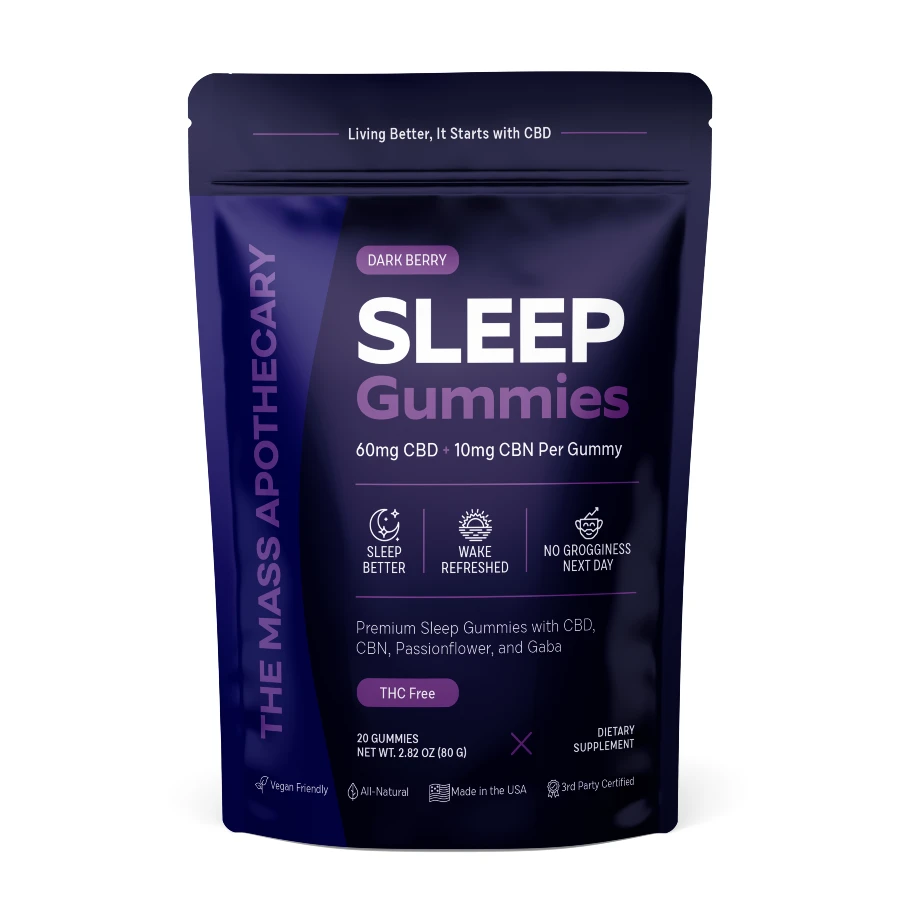
Mass Apothecary Sleep Gummies were built specifically for people who want a calming nightly ritual without the grogginess or hormone disruption that sometimes comes with melatonin. Instead of a single ingredient, each gummy combines four complementary compounds.
- 60mg of Broad Spectrum CBD to ease daily stress and prepare the nervous system for rest
- 10mg of CBN, often called the sleep cannabinoid for its sedative qualities
- 25mg of Passionflower, a botanical used for generations to quiet a racing mind
- 20mg of GABA, an amino acid that helps turn down mental noise so you can drift off naturally
The gummies are vegan, all natural, made in the USA, and third party tested at an ISO certified lab for purity and potency. They contain no melatonin and are formulated to be non-habit forming, so you can use them nightly without worrying about your body relying on them to function. They also use Broad Spectrum CBD rather than isolate, which means no detectable THC and no psychoactive high, just calm, full body relaxation in a Dark Berry flavored gummy.
Frequently Asked Questions
Is it safe to take melatonin every night?
Short term nightly use is generally considered safe for most healthy adults, but long term nightly use has not been studied extensively. Many experts recommend periodic breaks or speaking with a doctor before committing to indefinite use.
Can you take too much melatonin?
Yes. Taking more than the recommended amount does not necessarily help you fall asleep faster and can increase the likelihood of grogginess, headaches, and vivid dreams. More is not always better when it comes to hormone supplementation.
Why do I feel groggy the next day after taking melatonin?
This is often referred to as a melatonin hangover. It typically happens when the dose is too high, taken too late in the evening, or when an individual’s body simply clears the hormone more slowly than average.
Are there natural ways to support sleep besides melatonin?
Yes. Botanicals like passionflower, amino acids like GABA, and hemp derived cannabinoids such as CBD and CBN are increasingly used as part of nightly wind down routines, often in combination, to support relaxation without introducing synthetic hormones.
The Bottom Line
Melatonin can be a helpful short term tool for resetting your sleep schedule, but it is not without side effects, and it is not the right fit for everyone. Paying attention to how your body responds, sticking to recommended doses, and talking with a healthcare provider if you have an underlying condition will help you use it more safely. And if melatonin has left you feeling groggy or simply has not worked the way you hoped, a melatonin free formula built around CBD, CBN, passionflower, and GABA may be worth exploring as part of your nightly routine.
This article is for general informational purposes and is not a substitute for medical advice. Talk to a qualified healthcare provider before starting any new supplement, especially if you are pregnant, nursing, taking medication, or managing a health condition. Statements about hemp derived products have not been evaluated by the FDA and are not intended to diagnose, treat, cure, or prevent any disease.