Introduction
Have you ever pulled an old bag of weed out of a drawer and noticed it hit differently, mellower and sleepier than you remembered? That is not your imagination. Cannabis actually changes chemically as it ages, and one of the compounds responsible for that shift is CBN. If this three letter cannabinoid has been showing up on gummy labels, dispensary shelves, and sleep aid ads lately, you are not alone in wondering what it actually is.
This guide breaks down what CBN is, how it forms, what it may do for your body, and how to use it well. By the end, you will understand this cannabinoid better than most people browsing the CBD aisle.
What Is CBN?
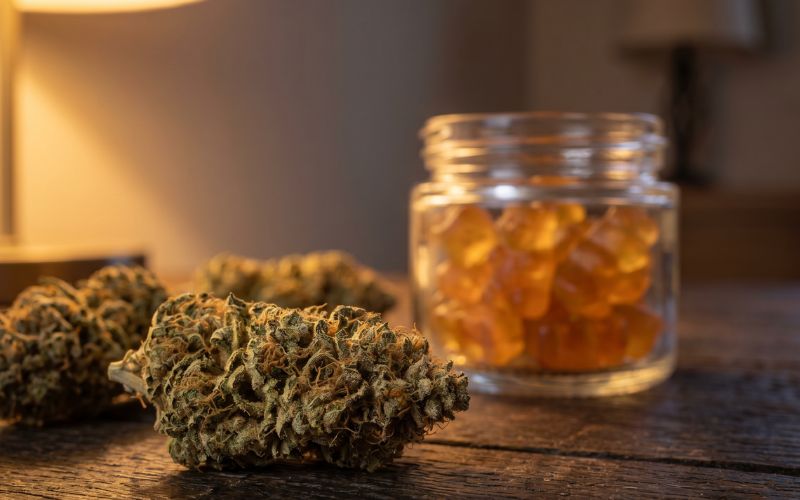
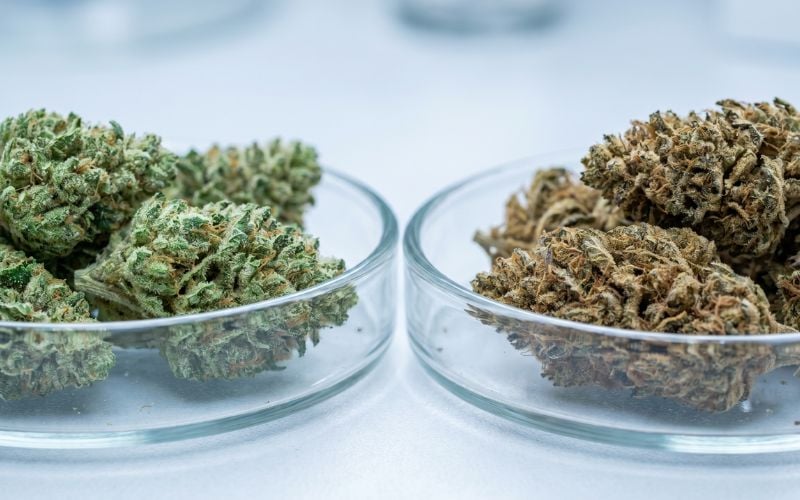
CBN stands for cannabinol, one of more than one hundred naturally occurring cannabinoids found in the cannabis plant. Unlike THC and CBD, which are produced directly by the plant in meaningful amounts, CBN mostly forms as a byproduct. When THC is exposed to heat, light, or oxygen over time, it slowly converts into CBN. This is why older cannabis flower, or flower that has been stored improperly, tends to carry higher CBN levels than fresh buds.
Interestingly, CBN was actually the first cannabinoid ever isolated from the cannabis plant, identified back in the 1890s, long before scientists understood THC or CBD. For decades it sat in the background of cannabis research. Now, as interest in minor cannabinoids grows, CBN is finally getting its moment.
How Is CBN Different From THC and CBD?
It helps to think of CBN as a middle ground between its two more famous relatives.
THC is the cannabinoid responsible for the classic cannabis high. It binds strongly to CB1 receptors in the brain, producing euphoria and psychoactive effects.
CBD does not produce a high at all and is often associated with calm, grounded feelings without intoxication.
CBN is considered mildly psychoactive, but far less potent than THC. Most users describe its effects as gentle drowsiness rather than a true high.
Chemically, CBN forms directly from THC breaking down, so trace amounts of it exist in nearly all cannabis, especially older or cured product. That shared origin is part of why CBN and THC can feel somewhat related, just much softer around the edges.
Does CBN Get You High?
Not in any way comparable to THC. Research suggests CBN binds more weakly to the brain’s CB1 receptors than THC does, which is why its psychoactive effects are so mild. Most people describe a heavy, relaxed, sleepy feeling rather than any kind of euphoric high. That is a big reason CBN has become popular in nighttime products marketed to people who want to unwind without feeling impaired the next morning.
Hemp derived CBN products sold online are also required to contain non-detectable levels of THC, so you will not experience intoxication from a properly formulated CBN gummy or tincture.
What Are the Potential Benefits of CBN?
Cannabinoid research is still catching up to public interest, and CBN is no exception. That said, early studies and emerging clinical trials point to a few promising areas.
Sleep support. CBN has earned the nickname “the sleep cannabinoid” in wellness circles. Early stage clinical research, including ongoing trials studying CBN’s effects on sleep architecture and next day function, is investigating whether it can help people fall asleep and stay asleep. Many users report that CBN, especially paired with CBD, helps them settle down at night without the grogginess associated with some over the counter sleep aids.
Relaxation and calm. Because CBN interacts gently with the body’s endocannabinoid system, many people use it to ease a racing mind or physical tension before bed.
Emerging research areas. Laboratory studies have also looked at CBN’s potential anti-inflammatory and antioxidant properties, along with early stage investigations into pain related pathways. This research is still in preliminary stages, largely limited to lab and animal models, so it is far from conclusive. CBN is not intended to diagnose, treat, cure, or prevent any disease, and anyone considering it for a specific health concern should talk with a doctor first.
It is worth being honest here: cannabinoid science moves slowly, and CBN research is newer and smaller in scale than THC or CBD research. What we have are encouraging early signals, not settled conclusions.
Is CBN Legal?
In the United States, hemp derived CBN that contains no more than 0.3 percent delta 9 THC by dry weight is federally legal under the 2018 Farm Bill. That said, state laws vary, and some states restrict or regulate hemp derived cannabinoids more tightly than federal law does. If you are shopping for a CBN product, check your state’s current rules and buy from a retailer that provides third party lab testing so you know exactly what is in the product you are taking.
How Do People Use CBN?
CBN shows up in several product formats, each with its own pros and cons.
● Gummies and edibles offer a pre-measured, discreet, and tasty way to take CBN, usually before bed. Because they pass through digestion, effects tend to build gradually and last longer.
● Tinctures and oils are taken sublingually, meaning under the tongue, for slightly faster absorption than edibles.
● Capsules offer the same slow, edible style onset as gummies without any flavor to consider.
● Topicals infused with CBN are less common but exist for localized use.
Most sleep formulated products pair CBN with CBD, since researchers believe the two cannabinoids may work better together than either does alone, an idea often called the entourage effect. Many formulas also add calming botanicals like passionflower or the amino acid GABA to round out a nighttime routine.
Choosing a Quality CBN Product
Not all CBN products are created equal, and the hemp market is largely unregulated compared to pharmaceuticals. Before buying, look for a few non-negotiables:
1. Third party lab testing. A reputable brand publishes a certificate of analysis from an independent, ISO certified lab confirming cannabinoid content and screening for contaminants.
2. Clear ingredient transparency. Avoid products hiding behind vague proprietary blends. You should know exactly how many milligrams of CBN, CBD, and any other active ingredients are in each serving.
3. Made with quality hemp. Domestically sourced hemp grown under clean agricultural practices tends to carry fewer pesticide and heavy metal risks.
4. Realistic dosing guidance. Trustworthy brands tell you how much to take and when, rather than encouraging you to guess.
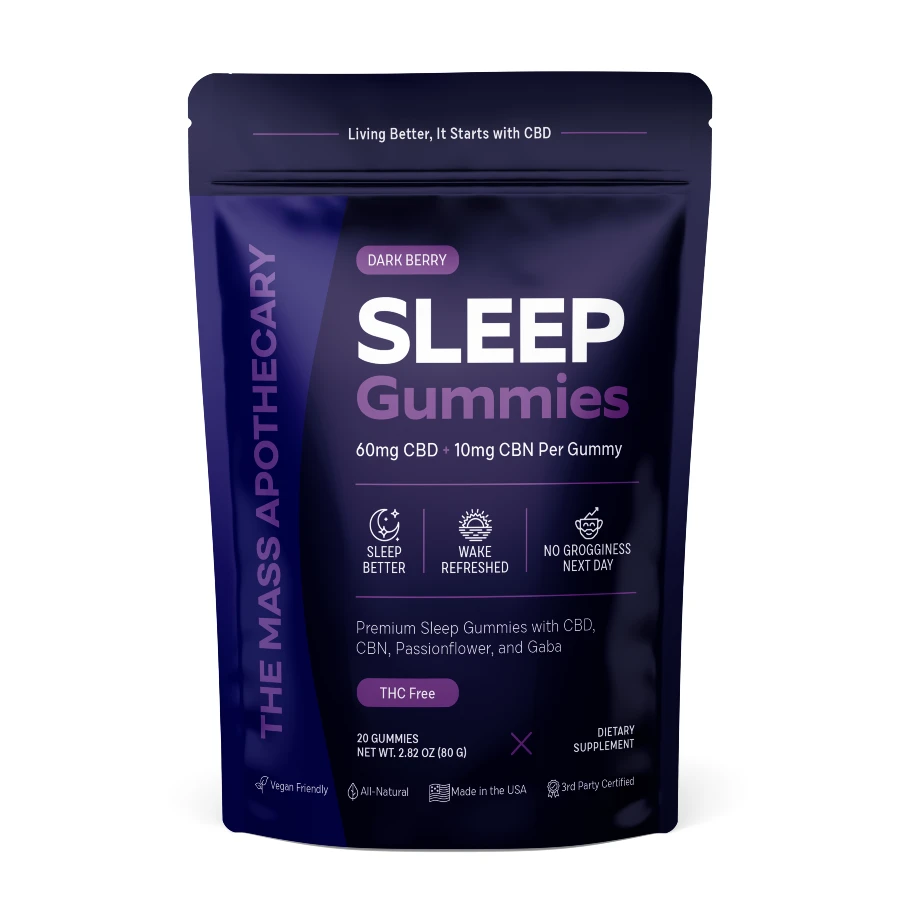
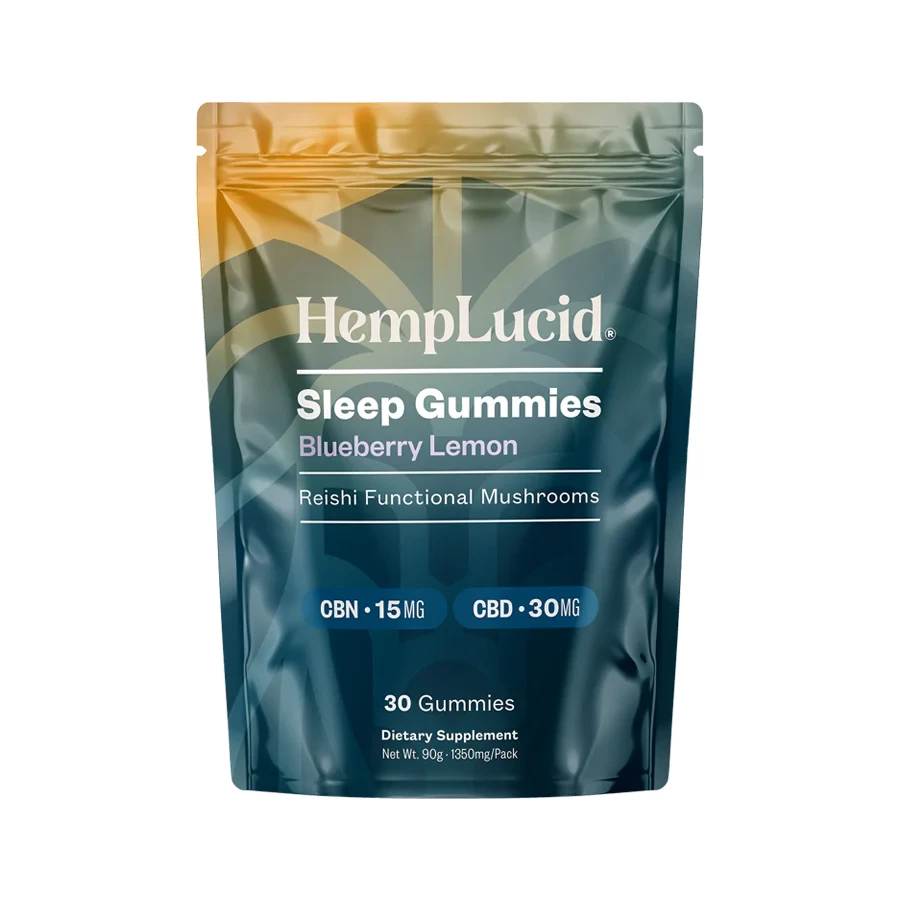
If you are looking for a nighttime formula that checks these boxes, the Mass Apothecary Sleep Gummies combine 60mg of broad spectrum CBD with 10mg of CBN per gummy, along with passionflower and GABA, in a vegan, all natural formula made in the USA and third party tested at an FDA certified lab. It is a practical example of how CBN is typically formulated alongside CBD and calming botanicals in a real nighttime product.
Frequently Asked Questions
Does CBN show up on a drug test?
Most standard drug tests screen for THC metabolites, not CBN specifically. However, because CBN is chemically related to THC and some products may contain trace THC, there is a small theoretical risk of a false positive. If you are subject to regular drug testing, talk to your employer or a doctor before using any hemp derived cannabinoid product.
How long does CBN take to kick in?
This varies by product type and individual metabolism, but most edible CBN products take roughly thirty to forty five minutes to take effect, since they need to pass through digestion first.
Can I take CBN every night?
Many people use CBN nightly as part of a sleep routine, and it is generally considered non habit forming. Still, it is wise to check in with a healthcare provider before adding any new supplement to a nightly routine, especially if you take other medications.
No. CBD is a major cannabinoid produced directly by the cannabis plant, while CBN mostly forms as THC ages and breaks down. They interact with the body differently, and CBN is considered mildly psychoactive while CBD is not.
The Bottom Line
CBN is one of the more interesting minor cannabinoids to emerge in recent years, prized mostly for its reputation as a sleep friendly compound that will not get you high. While research is still developing, early findings and widespread user experience suggest it has a real role to play in a calming nighttime routine, especially when paired with CBD and other relaxing botanicals. As with any supplement, look for lab tested products from transparent brands, start with a modest dose, and talk to a healthcare provider if you have questions about how CBN might fit into your routine.