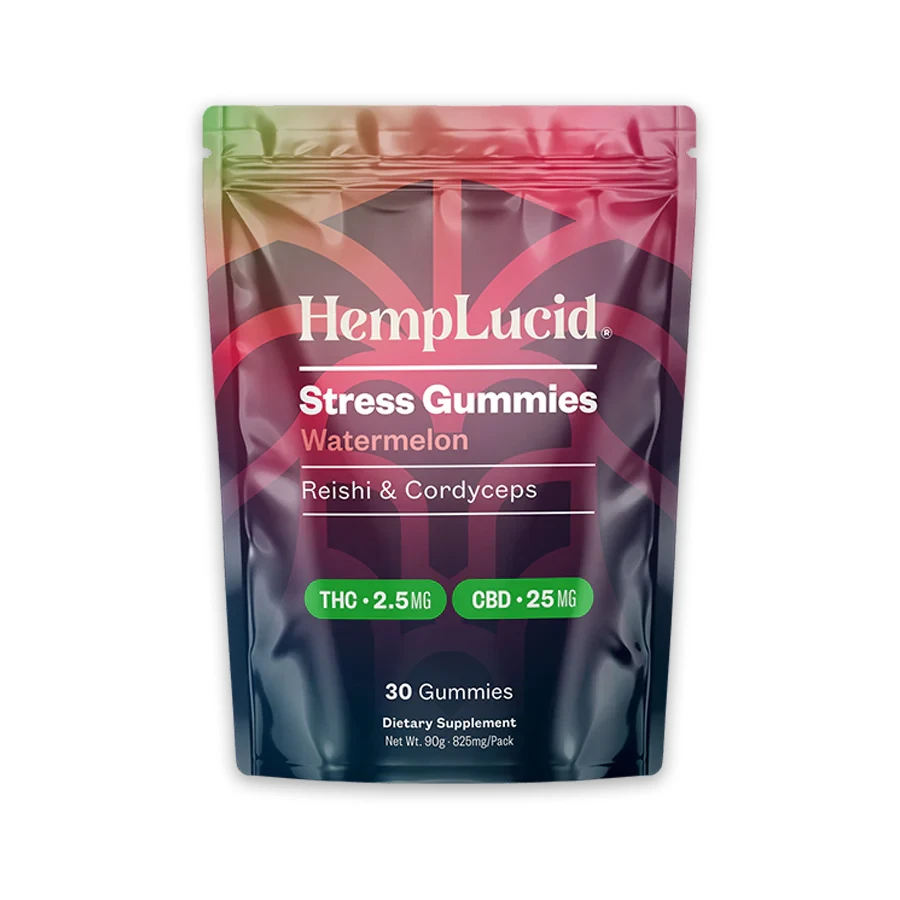
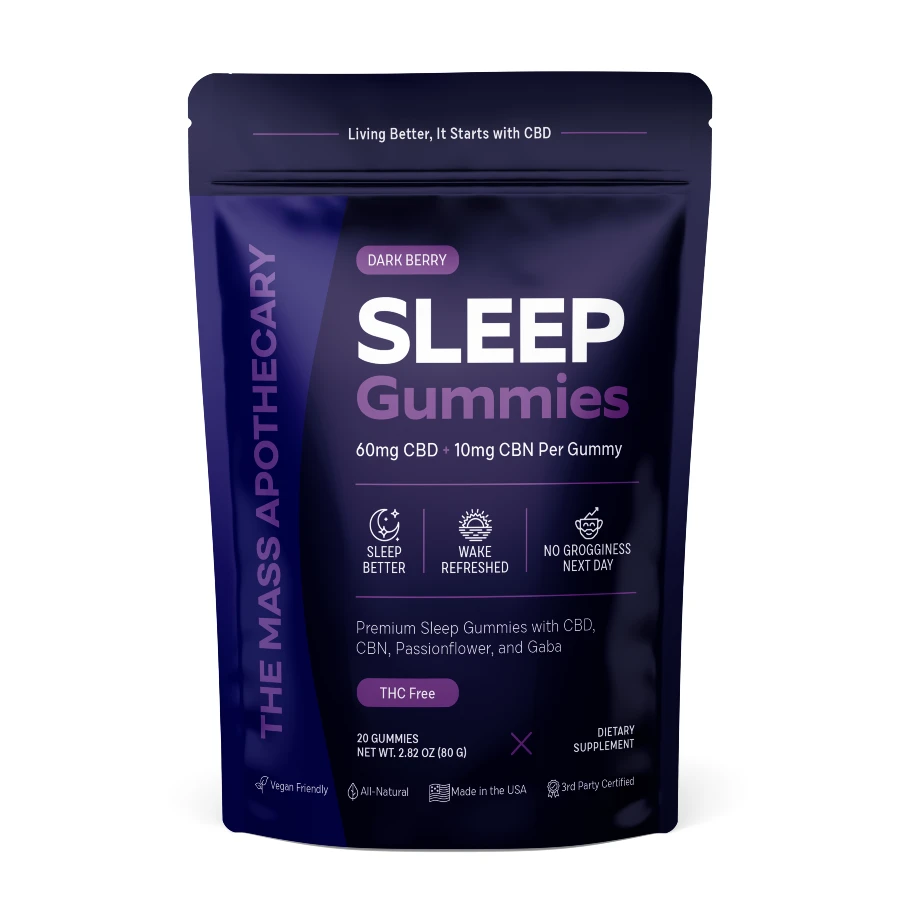
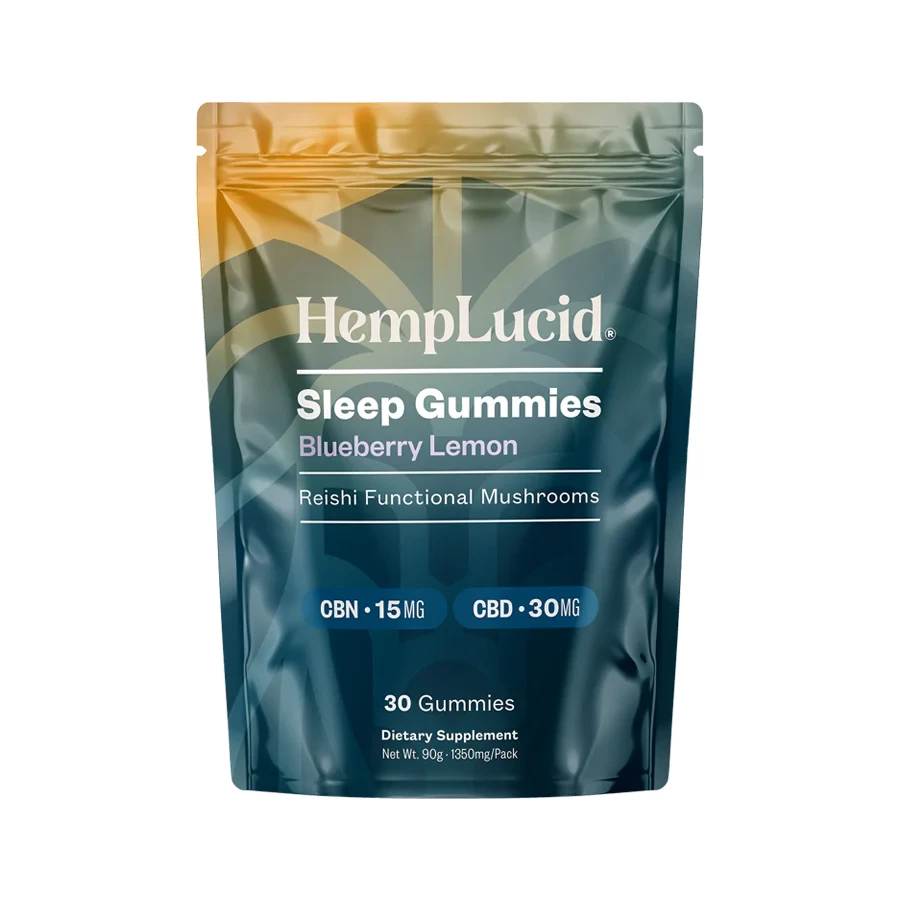
If you have ever stared at the ceiling at 11 PM, mind racing, wondering if a little gummy could finally help you drift off, you are not alone. Sleep gummies have exploded in popularity over the past few years, lining pharmacy shelves and social media feeds alike. But are sleep gummies actually good for you, or are they just a sweet placebo?
The honest answer is: it depends. For some people, sleep gummies can be a safe and effective short-term tool. For others, they may not do much at all. In this guide, we will break down how sleep gummies work, what the science actually says, who benefits the most, and what red flags to watch out for before adding them to your nightly routine.
What Are Sleep Gummies, Exactly?
Sleep gummies are chewable dietary supplements designed to help you fall asleep faster, stay asleep longer, or simply wind down at the end of the day. They come in a wide range of formulas, but most contain one or more of the following active ingredients:
• Melatonin: A hormone your body naturally produces to signal that it is time to sleep. Supplemental melatonin is the most common ingredient in sleep gummies.
• L-Theanine: An amino acid found in green tea that promotes relaxation without causing drowsiness on its own.
• Magnesium: A mineral involved in hundreds of bodily processes, including nervous system regulation and muscle relaxation.
• Ashwagandha and Valerian Root: Herbal adaptogens often used to reduce stress and support restful sleep.
• Passionflower and Chamomile: Botanical extracts with mild calming properties.
Because they are sold as supplements rather than medications, sleep gummies are not required to undergo the same rigorous testing as prescription sleep aids. That distinction matters a lot when you are evaluating whether they are the right choice for you.
Do Sleep Gummies Actually Work?
For many people, yes. But the key word is “short-term.” Research on melatonin, the most well-studied ingredient in sleep gummies, shows that it can be genuinely helpful for specific situations, including:
• Adjusting to a new time zone (jet lag)
• Shift workers who sleep during daylight hours
• People with delayed sleep phase disorder
• Occasional sleeplessness from stress or an irregular schedule
A 2022 review published in the journal Sleep Medicine Reviews found that melatonin supplementation modestly reduced the time it took participants to fall asleep and improved overall sleep quality. The benefits were strongest in people whose sleep problems were tied to circadian rhythm disruptions rather than chronic insomnia.
L-Theanine also has solid backing in the literature. Several studies suggest it can reduce sleep-onset anxiety and improve sleep quality, especially when combined with magnesium or low-dose melatonin.
That said, sleep gummies are not a cure-all. If your poor sleep is rooted in chronic stress, an underlying medical condition like sleep apnea, or poor sleep hygiene habits, a gummy is unlikely to fix the problem on its own.
Are Sleep Gummies Safe?
For most healthy adults, sleep gummies are considered safe when used occasionally and at appropriate doses. However, there are a few important considerations to keep in mind.
Dosage Matters More Than You Think
One of the most overlooked issues with sleep gummies is that many products contain far more melatonin than your body actually needs. Your brain typically produces only 0.1 to 0.3 milligrams of melatonin naturally. Yet many popular sleep gummies contain 5 to 10 milligrams per serving. Research suggests that lower doses (0.5 to 1 mg) are often just as effective as higher doses, and taking too much can leave you feeling groggy the next morning, interfere with your natural hormone rhythms, or cause vivid dreams.
Possible Side Effects
Common side effects reported with sleep gummies include:
• Morning grogginess or “sleep hangover”
• Headache
• Dizziness
• Nausea, especially when taken on an empty stomach
These side effects are more common with higher doses. Starting with the lowest effective dose and gradually adjusting is always the smarter approach.
Who Should Be Cautious
Sleep gummies are not appropriate for everyone. Pregnant or breastfeeding individuals should consult a doctor before using any sleep supplement. Children and teenagers should only use melatonin under medical supervision, as there are concerns about the effect of exogenous melatonin on developing hormonal systems. People taking blood thinners, anticonvulsants, or other medications should also check with a healthcare provider, since melatonin can interact with certain drugs.
The Real Benefits of Sleep Gummies
When used appropriately, sleep gummies offer several genuine advantages over prescription sleep medications:
• Non-habit-forming: Unlike benzodiazepines or z-drugs (like Ambien), melatonin-based gummies do not create physical dependence.
• Accessible without a prescription: They are easy to find and affordable for most people.
• Gentle onset: They work gradually rather than knocking you out, which feels more natural to many users.
• Variety of formulas: The wide range of ingredient combinations allows you to choose a product tailored to your specific concern, whether that is trouble falling asleep, staying asleep, or calming a busy mind before bed.
What Sleep Gummies Cannot Do
It is worth being honest about the limitations. Sleep gummies are best thought of as a short-term bridge, not a permanent solution. They work best alongside healthy sleep hygiene practices, which include keeping a consistent sleep schedule, limiting screen exposure before bed, avoiding caffeine in the afternoon, and keeping your bedroom cool and dark.
If you find yourself relying on sleep gummies every single night, that is worth paying attention to. Chronic sleep problems often signal an underlying issue that deserves professional attention. Cognitive Behavioral Therapy for Insomnia (CBT-I) has a strong evidence base and is considered the first-line treatment for chronic insomnia by most sleep specialists, outperforming medication in long-term outcomes.
How to Choose a Quality Sleep Gummy
Not all sleep gummies are created equal. Here is what to look for on the label before you buy:
• Third-party testing certification: Look for a USP, NSF, or Informed Sport seal. This means an independent lab has verified that the product contains what the label says it does.
• Lower melatonin dosage: Products with 0.5 to 3 mg of melatonin are generally a better starting point than those with 10 mg.
• Transparent labeling: Avoid proprietary blends that hide individual ingredient doses. You deserve to know exactly what you are taking.
• Simple ingredient lists: Fewer added sugars, artificial dyes, and fillers are always better.
The Bottom Line
So, are sleep gummies good for you? For most healthy adults dealing with occasional sleep struggles, the answer is a cautious yes. When chosen wisely and used in moderation, they can offer a gentle, non-habit-forming nudge toward better rest.
The key is to use them as a tool, not a crutch. Pay attention to dosage, prioritize sleep hygiene as your foundation, and talk to a healthcare provider if your sleep problems are persistent. A gummy can help you wind down on a stressful night. It cannot replace the lifestyle habits that make truly restorative sleep possible.
Your best sleep starts with the basics. Sleep gummies can just help take the edge off along the way.