Ever notice how a cup of green tea makes you feel relaxed but not sleepy? That isn’t just in your head. The credit largely goes to a quiet little amino acid called L-theanine, and once you understand what it actually does, you’ll see why it has become one of the most talked-about natural compounds in the wellness world. If you have ever wondered whether it lives up to the hype, you are in the right place.
What Is L-Theanine, Exactly?
L-theanine is a naturally occurring amino acid found mostly in tea leaves, particularly green and black tea, and in small amounts in certain mushrooms like Bay Bolete. Unlike the amino acids your body uses to build muscle, L-theanine’s main job is in the brain. It crosses the blood-brain barrier and interacts with neurotransmitters, which is why it has earned a reputation as a “calm but alert” compound.
It was first isolated from green tea leaves back in 1949 by Japanese researchers, and it has been studied ever since for its effects on relaxation, focus, and stress response. Today you will find it as a standalone supplement, blended into nootropic stacks, and added to functional beverages and calming gummies.
How Does L-Theanine Work in the Brain?
Researchers believe L-theanine influences a handful of brain chemicals that play a role in mood and relaxation. According to a review published in the Journal of Physiological Anthropology, L-theanine appears to modulate serotonin, dopamine, and GABA activity, all of which are tied to mood regulation and a sense of calm.
One of the most interesting findings is that L-theanine can increase alpha brain wave activity within about 40 minutes of ingestion. Alpha waves are associated with a state researchers call “wakeful relaxation,” the same mental state you might experience during light meditation or right before drifting off to sleep. This is part of why people describe the L-theanine effect as calm focus rather than drowsiness.
What Are the Potential Benefits of L-Theanine?
L-theanine is not a miracle pill, and any honest source will tell you the research is still developing. That said, a few benefit areas show up again and again in clinical studies.
Stress and relaxation. This is the most heavily studied area. Multiple small trials suggest L-theanine may help lower perceived stress and support a calmer physiological state, partly by easing sympathetic nervous system activation. Cleveland Clinic notes this is one of L-theanine’s better supported uses, though larger studies are still needed to confirm the size of the effect.
Sleep quality. L-theanine is not a sedative, and it will not knock you out the way melatonin or a sleep medication might. Instead, research suggests it may help some people unwind before bed, which can make falling asleep easier. Worth noting: many sleep studies test L-theanine alongside other ingredients, so it is hard to isolate exactly how much of the benefit comes from L-theanine alone.
Focus paired with caffeine. This combination has become popular for a reason. A well-known 2008 study in Psychopharmacology found that pairing L-theanine with caffeine reduced the blood pressure spike typically caused by caffeine, while preserving alertness. The idea is that L-theanine smooths out caffeine’s jittery edge without canceling its benefits.
Immune and antioxidant support. Newer research has looked at L-theanine’s role in immune regulation, including its influence on certain T cells. This area is promising but still early, and it is mostly based on lab and animal studies rather than large human trials.
Is L-Theanine Safe?
For most healthy adults, yes. L-theanine has a long track record as a component of tea, which people have consumed safely for centuries, and the FDA has recognized it as safe for use as a food additive. Side effects are uncommon and usually mild, such as headache or an upset stomach, typically only at very high doses.
If you are pregnant, nursing, taking medication for blood pressure, or managing a chronic health condition, it is worth checking with your doctor before adding any new supplement to your routine, L-theanine included.
How Much L-Theanine Should You Take?
Most studies use doses between 100 mg and 400 mg per day. A common starting point for relaxation is 100 to 200 mg, often taken in the afternoon or evening. If you are pairing it with caffeine for focus, a roughly 2:1 ratio of L-theanine to caffeine is a frequently cited starting point, though individual tolerance varies quite a bit.
As with most supplements, starting on the lower end and seeing how your body responds is the smarter approach than jumping straight to the highest studied dose.
L-Theanine and Other Calming Ingredients
L-theanine is just one tool in a much bigger toolbox of natural compounds people use to support relaxation and rest. You will often see it mentioned alongside ingredients like GABA, passionflower, CBD, and CBN, each of which works through a slightly different pathway in the body.
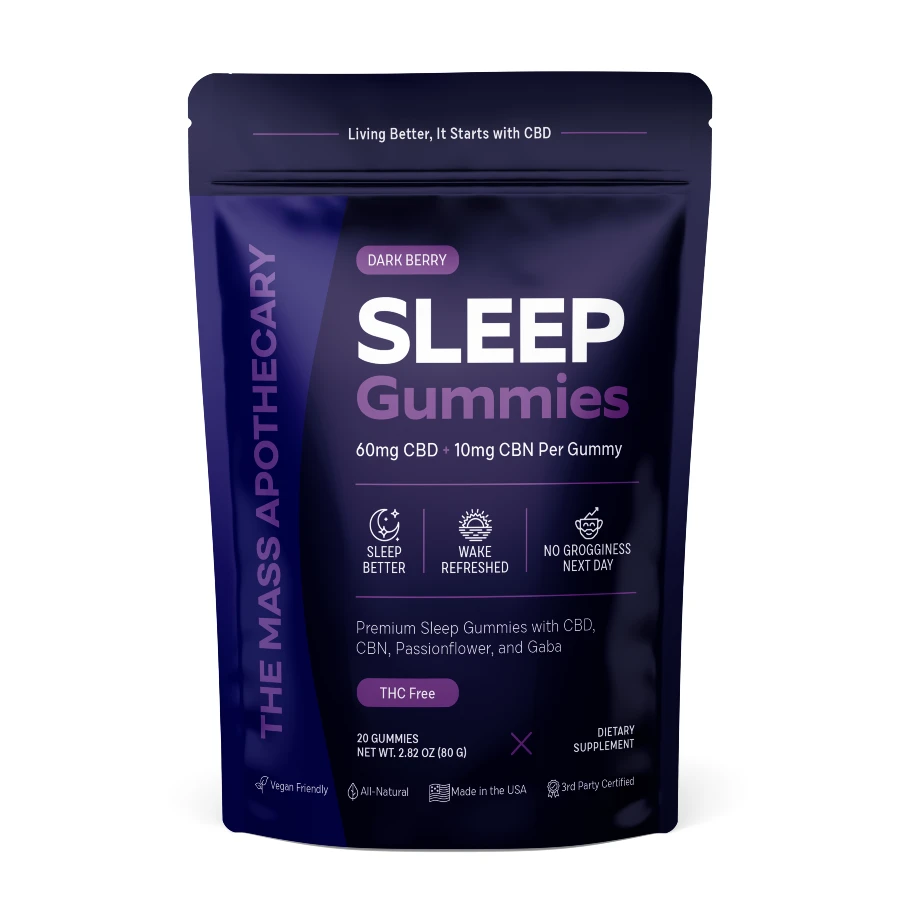
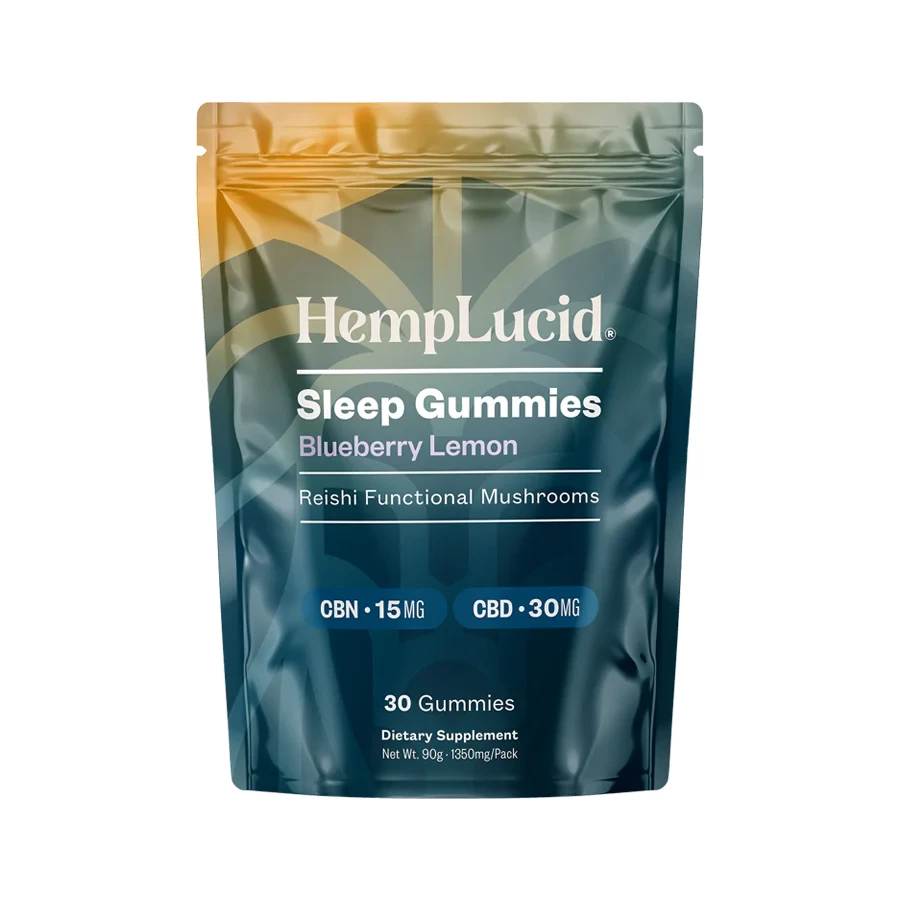
If your goal is winding down at night rather than daytime focus, it is worth knowing your options. For example, the Mass Apothecary Sleep Gummies take a different approach, combining 60mg of Broad Spectrum CBD, 10mg of CBN, 25mg of passionflower, and 20mg of GABA in each gummy. While this particular formula does not contain L-theanine, it targets many of the same goals, easing a racing mind and supporting deeper, more restorative sleep, through a complementary blend of botanicals and hemp-derived cannabinoids. It is a good example of how different calming ingredients can be combined for a specific outcome, whether that is an L-theanine supplement for daytime calm or a nighttime formula built around CBN and GABA for sleep.
Where to Find L-Theanine
You do not have to take a supplement to get L-theanine into your routine. Green tea and black tea are the richest natural sources, with matcha generally containing more than steeped green tea because you consume the whole leaf. Beyond tea, you will find L-theanine in:
- Standalone capsules and tablets
- Powder form for mixing into drinks
- Nootropic and focus blends, often paired with caffeine
- Some calming or stress support gummies
Frequently Asked Questions
Does L-theanine make you sleepy?
Not directly. It promotes a relaxed, alert state rather than sedation, which is why it is popular during the day as well as in the evening.
Can I take L-theanine every day?
Many people do, and it is generally considered well tolerated at typical doses. As always, talk to a healthcare provider if you plan to use it long term or alongside medication.
Is L-theanine the same as theanine?
Yes. “L-theanine” refers to the specific molecular form of theanine found in tea and used in supplements.
Does decaf tea still have L-theanine?
Yes. The decaffeination process removes most of the caffeine but leaves L-theanine largely intact, which is one reason decaf tea can still feel calming.
The Bottom Line
L-theanine is a well-researched, naturally occurring amino acid best known for promoting calm focus rather than drowsiness. The science around stress reduction and caffeine pairing is reasonably solid, while areas like sleep and immune support are still developing. Whether you get it from a daily cup of green tea or a dedicated supplement, it remains one of the gentler, better-studied options for anyone looking to feel calmer without feeling foggy.