If you have ever scrolled through the ingredient list on a sleep supplement or herbal tea and landed on “passionflower,” you have probably wondered what it actually is and whether it really does anything. You are not alone. This climbing vine with the strange, beautiful flower has quietly earned a spot in herbal medicine cabinets for hundreds of years, and modern researchers are finally catching up to what traditional healers already knew. By the end of this guide, you will understand exactly what passionflower is, how it works in the body, and why so many people reach for it when their mind will not slow down at bedtime.
What Is Passionflower, Exactly?
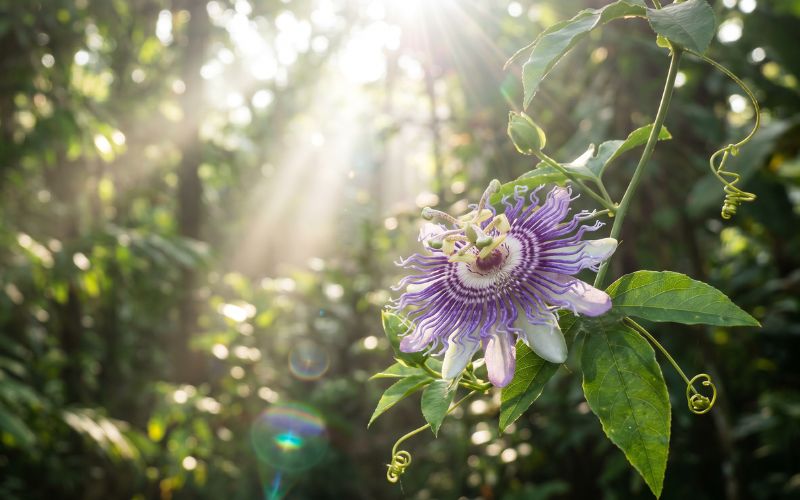
Passionflower, known botanically as Passiflora incarnata, is a fast growing flowering vine native to the southeastern United States and parts of Central and South America. It produces an unmistakable purple and white bloom with a crown of thread like filaments, which is actually how it got its name. Spanish missionaries in the 1500s thought the flower’s intricate parts resembled symbols from the Passion of Christ, hence “passionflower.”
While the plant produces an edible fruit related to the passion fruit you might find in smoothies, the leaves, stems, and flowers are the parts used in herbal supplements. These above ground portions of the plant contain a unique mix of plant compounds, including flavonoids like chrysin and vitexin, which researchers believe are responsible for its calming reputation.
A Long History as a Natural Calming Remedy
Indigenous peoples in the Americas used passionflower long before European settlers arrived, brewing it into teas to ease nervousness and promote rest. By the 19th century, it had made its way into American herbal medicine practices and was even listed in the United States National Formulary as a remedy for insomnia and nervous tension.
Today, passionflower remains one of the most studied calming herbs on the market. It is widely used across Europe in approved herbal sleep aids and is a common addition to American sleep and stress supplements, including gummies, teas, tinctures, and capsules.
How Does Passionflower Work in the Body?
So what is actually happening when you take passionflower? Researchers believe its primary mechanism involves a neurotransmitter called GABA, which stands for gamma aminobutyric acid. GABA is your brain’s natural “calm down” signal. It works by quieting overactive nerve signals, which is part of why low GABA activity has been linked to anxiety and difficulty sleeping.
Passionflower appears to increase GABA levels in certain areas of the brain, which may explain why it produces a gentle, sedative like effect without the heavy grogginess associated with some sleep medications. Some small clinical studies have also compared passionflower’s effects on anxiety to those of prescription anti anxiety medications, with passionflower showing comparable benefits and fewer reported side effects like daytime drowsiness.
The Benefits of Passionflower
Passionflower has been studied for several uses, but a few stand out as the most well supported.
Better Sleep Quality
This is the benefit most people are searching for. Passionflower is frequently used as a natural sleep aid because it helps quiet a racing mind rather than forcing sedation. Several studies on passionflower tea have shown participants reported meaningfully better sleep quality after just one week of consistent use.
Reduced Anxiety and Nervous Tension
Passionflower has a long track record as a calming herb for everyday stress and pre event jitters. Some research has even looked at its use before minor surgical procedures, finding it reduced anxiety levels comparable to standard anti anxiety medication.
Easing Restlessness
Beyond sleep and anxiety, passionflower is often used to settle physical restlessness, the kind of fidgety, can’t sit still feeling that often accompanies a stressed out nervous system.
How Is Passionflower Typically Used?
Passionflower comes in several forms, and the right one usually depends on your goals and lifestyle.
- Tea: The most traditional method, made by steeping the dried leaves and flowers in hot water.
- Tinctures: A concentrated liquid extract, often taken in small doses under the tongue.
- Capsules: A convenient, pre-measured way to take a standardized dose.
- Gummies: A tasty, increasingly popular option, especially when combined with other calming ingredients.
That last format is where passionflower has found a real home in modern wellness routines. Many sleep focused gummies now combine it with other relaxing compounds to create a more complete nightly formula rather than relying on a single ingredient.
Passionflower and Hemp: A Smart Pairing for Sleep
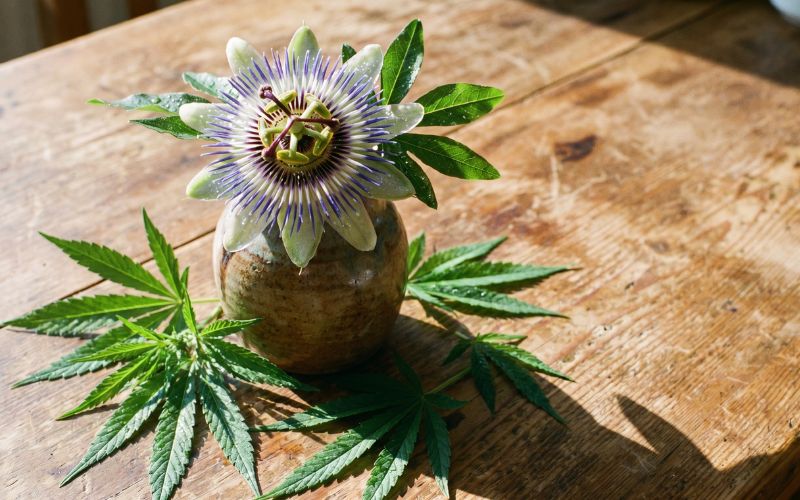
Passionflower rarely works alone in today’s most thoughtfully formulated sleep products. Because it supports GABA activity in the brain, it pairs naturally with other calming ingredients that work through different pathways in the body, creating a more well rounded effect than any single compound on its own.

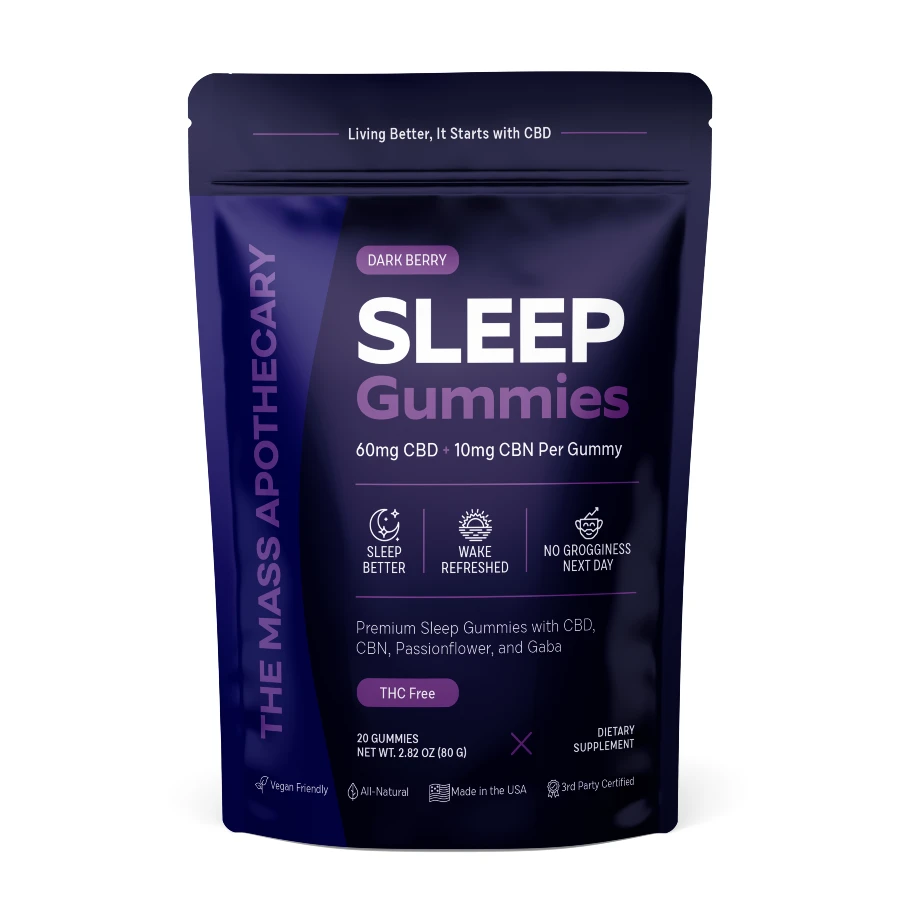
A good example is the Mass Apothecary Sleep Gummies, which include 25mg of passionflower alongside 60mg of broad spectrum CBD, 10mg of CBN, and 20mg of GABA in every gummy. The idea behind combining these particular ingredients is straightforward. CBD helps ease daily stress and prepares the nervous system for rest, CBN is often referred to as the sleep cannabinoid for its sedative qualities, and GABA works to quiet an overactive mind, while passionflower rounds out the formula by easing physical restlessness and nervous tension. Each gummy is vegan, made in the USA, and third party tested, with a Dark Berry flavor designed to mask the earthy taste typical of hemp extracts. For anyone who already enjoys passionflower tea but wants a more complete nightly formula, this kind of multi ingredient gummy is worth considering.
Is Passionflower Safe?
For most healthy adults, passionflower is considered safe for short term use, and many people take it nightly without issue. That said, a few things are worth knowing.
Passionflower can cause mild drowsiness, dizziness, or confusion in rare cases, so it is best to see how your body responds before driving or operating machinery shortly after taking it. It may also amplify the effects of sedatives, alcohol, or anti anxiety medications, so combining them is not recommended without talking to a doctor first.
Pregnant or breastfeeding individuals should avoid passionflower, since there is not enough research confirming its safety in those situations. As with any supplement, it is a good idea to check with a healthcare provider before adding passionflower to your routine, especially if you take other medications or have an underlying health condition.
Frequently Asked Questions
Does passionflower make you sleepy right away?
Most people notice a gradual sense of calm rather than an immediate knockout effect. It works best when taken consistently, about 30 to 45 minutes before bedtime.
Is passionflower the same as passion fruit?
They come from related plants, but the supplement form uses the leaves and flowers, not the fruit you would eat in a smoothie.
Can you take passionflower every night?
Many people use it nightly as part of a regular sleep routine, though it is always smart to check with a healthcare provider for personalized guidance, especially with long term use.
Does passionflower interact with medications?
Yes, it can interact with sedatives, certain anti anxiety medications, and alcohol. Always check with a doctor if you take prescription medication.
The Bottom Line
Passionflower has earned its reputation the old fashioned way, through centuries of real world use, and modern research is now backing up what generations already trusted. If a racing mind has been standing between you and a good night’s sleep, this gentle, time tested botanical may be exactly the kind of natural support worth exploring, whether that is in a warm cup of tea or as part of a more complete nightly formula.