You’ve tried melatonin. You’ve tried magnesium. You’re still staring at the ceiling at 3 a.m. wondering why sleep feels so out of reach. If that sounds familiar, you’re not alone, and there’s a good chance you haven’t heard of CBN yet.
CBN, short for cannabinol, has been quietly earning the nickname “the sleepy cannabinoid” among researchers and wellness enthusiasts alike. Unlike CBD, which gets most of the spotlight, CBN has a unique set of properties that make it particularly interesting for people dealing with poor sleep quality, frequent nighttime wake-ups, and that frustrating inability to switch the brain off at bedtime.
In this guide, we’ll break down exactly what CBN is, how it works in your body, what the latest research says, and how it compares to other popular sleep aids. By the end, you’ll have everything you need to decide if CBN belongs in your nighttime routine.
What Is CBN (Cannabinol)?
CBN is a naturally occurring cannabinoid found in the hemp and cannabis plant. Here’s what makes it unique: it isn’t produced directly by the plant the way CBD or THC is. Instead, CBN forms when THC ages and oxidizes over time. As cannabis plant material gets older and is exposed to air and light, THC slowly converts into CBN through a process called oxidation and decarboxylation.
This is why older cannabis has historically been associated with sedation. The higher CBN content that develops over time was likely responsible for that drowsy effect all along.
One important thing to note: CBN is not the same as CBD. While both are non-intoxicating cannabinoids derived from hemp, they work differently in the body and serve different purposes. CBN binds weakly to the same CB1 receptors that THC activates, which means it can produce a mild, calming effect without the psychoactive high. CBD, by contrast, is better known for its anti-inflammatory and anti-anxiety properties.
How CBN Works in the Body for Sleep
To understand how CBN helps with sleep, you need to know a little about the endocannabinoid system (ECS). Think of the ECS as your body’s internal regulator. It’s a network of receptors spread throughout your brain and body that helps maintain balance across a range of functions, including sleep, mood, pain, appetite, and immune response.
CBN interacts with this system in several ways that appear to support sleep:
• CB1 Receptor Interaction: CBN binds weakly to CB1 receptors in the brain, which helps transition the mind from alert mode into rest mode without causing intoxication.
• CB2 Receptor Interaction: CBN also engages CB2 receptors found throughout the body, which may influence inflammation and physical tension, two common culprits behind restless nights.
• GABA Activity: Early research suggests CBN may support GABA activity in the brain. GABA is your nervous system’s natural “brake pedal.” It quiets overactive neuronal firing, which is exactly what happens when you’re lying in bed with a racing mind.
• Metabolite Activity: When your body breaks down CBN, it creates a compound called 11-hydroxy-CBN, which appears to have stronger CB1 activity than CBN itself. This means some of CBN’s sleep-promoting effects may actually be delivered through this secondary metabolite, which has implications for how quickly CBN takes effect.
• TRPV and Serotonin Pathways: There are also early indications that CBN may interact with TRPV channels and serotonin receptors, both of which play roles in regulating sleep cycles.
What Does the Research Say About CBN and Sleep?
CBN research has accelerated significantly in recent years, and the results are genuinely encouraging. Here are the most important studies to know about.
The 20mg Human Trial: Fewer Nighttime Wake-Ups
A randomized, double-blind, placebo-controlled trial published in Experimental and Clinical Psychopharmacology followed 293 participants and found that a nightly 20mg dose of CBN produced significant reductions in nighttime awakenings and overall sleep disturbances compared to a placebo. The researchers concluded that 20mg CBN alone showed meaningful promise for improving specific sleep difficulties.
This is meaningful because waking up repeatedly throughout the night is one of the most common and disruptive sleep complaints. If CBN can reduce those wake-ups, the downstream effects on how rested and functional you feel the next day are significant.
The Large-Scale 2024 Trial: Outperforming Melatonin
A major 2024 double-blind trial involving over 1,000 participants found that 50mg of CBN produced significant sleep improvements that surpassed both placebo and melatonin. Interestingly, all three dosages tested, 25mg, 50mg, and 100mg, produced meaningful improvements, suggesting there isn’t necessarily a need to push to higher doses to see results.
University of Sydney Research: Better Sleep Architecture
Published in the November 2024 edition of Neuropsychopharmacology, a landmark study from the University of Sydney’s Lambert Initiative was the first to use objective polysomnography measurements to examine CBN’s effects on actual sleep cycles rather than relying solely on self-reported data.
The findings showed that CBN increased both NREM and REM sleep, resulting in higher total sleep time. Notably, the researchers characterized this pattern as comparable to zolpidem (Ambien), a commonly prescribed sleep medication, but without the dependency risks associated with pharmaceutical sleep aids.
CBN vs. Melatonin: What’s the Difference?
If you’ve reached for melatonin before and woken up feeling groggy, you’re not imagining things. Melatonin works by signaling to your brain that it’s dark outside. It’s useful for resetting a disrupted sleep-wake cycle, like when you’re jet lagged, but it doesn’t address the deeper factors that keep many people awake: stress, physical tension, racing thoughts, and inflammation.
CBN takes a fundamentally different approach. Rather than overriding your body’s hormonal signals, it works with your endocannabinoid system to naturally calm the nervous system, ease physical tension, and support the brain’s own inhibitory pathways. Many users report waking up without the heavy, foggy feeling that melatonin can sometimes leave behind.
That said, CBN and melatonin can also work well together. Because their sleep-promoting properties target different mechanisms, combining them may create a more comprehensive approach to sleep support for some people.
CBN vs. CBD: Which Is Better for Sleep?
CBD is still the most researched cannabinoid for general wellness, and it does offer real benefits for sleep, particularly for people whose sleep is disrupted by anxiety or pain. However, CBD is not specifically a sedative. It doesn’t make you feel drowsy in the way CBN does.
CBN, on the other hand, has been specifically associated with sedative-like properties and sleep cycle improvement in clinical research. If your core issue is simply that you can’t fall asleep or stay asleep, CBN may be a more targeted option than CBD.
Some products combine both cannabinoids, which makes sense given that they address sleep from different angles. CBD may quiet the anxiety that makes it hard to wind down, while CBN works directly on the pathways that govern sleep depth and duration. Some formulations also include CBG and other minor cannabinoids to create what’s known as an “entourage effect,” where multiple cannabinoids work together to enhance overall effectiveness.
Who Might Benefit Most From CBN for Sleep?
CBN isn’t a one-size-fits-all solution, but it seems particularly well-suited for a few types of sleepers:
• People who wake up multiple times during the night: The clinical evidence for CBN is strongest around reducing nighttime awakenings specifically.
• People who experience next-day grogginess with melatonin: CBN’s mechanism doesn’t override your hormonal rhythms, so many users report feeling more naturally refreshed.
• People who prefer plant-based supplements: CBN is a naturally occurring hemp-derived compound, making it appealing to those who prefer a more natural approach.
• People dealing with low-grade pain or inflammation at night: CBN may also have mild anti-inflammatory properties that can indirectly improve sleep by reducing physical discomfort.
What Forms Does CBN Come In?
CBN products have become significantly more widely available as interest in the cannabinoid has grown. The most common forms include:
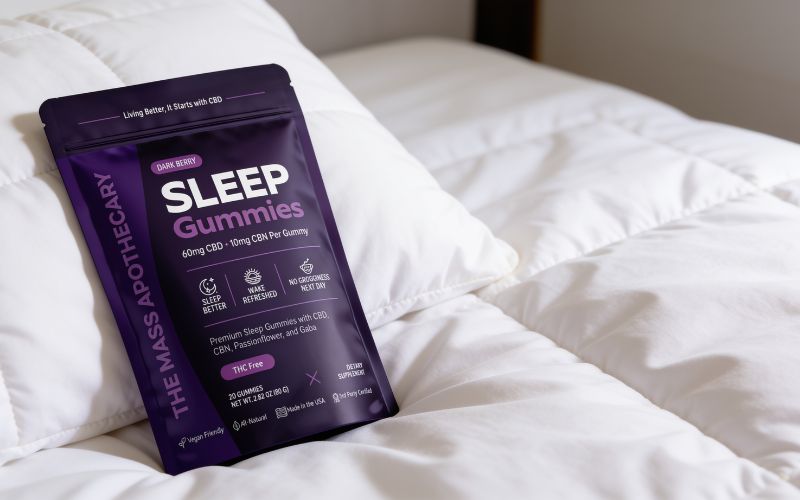
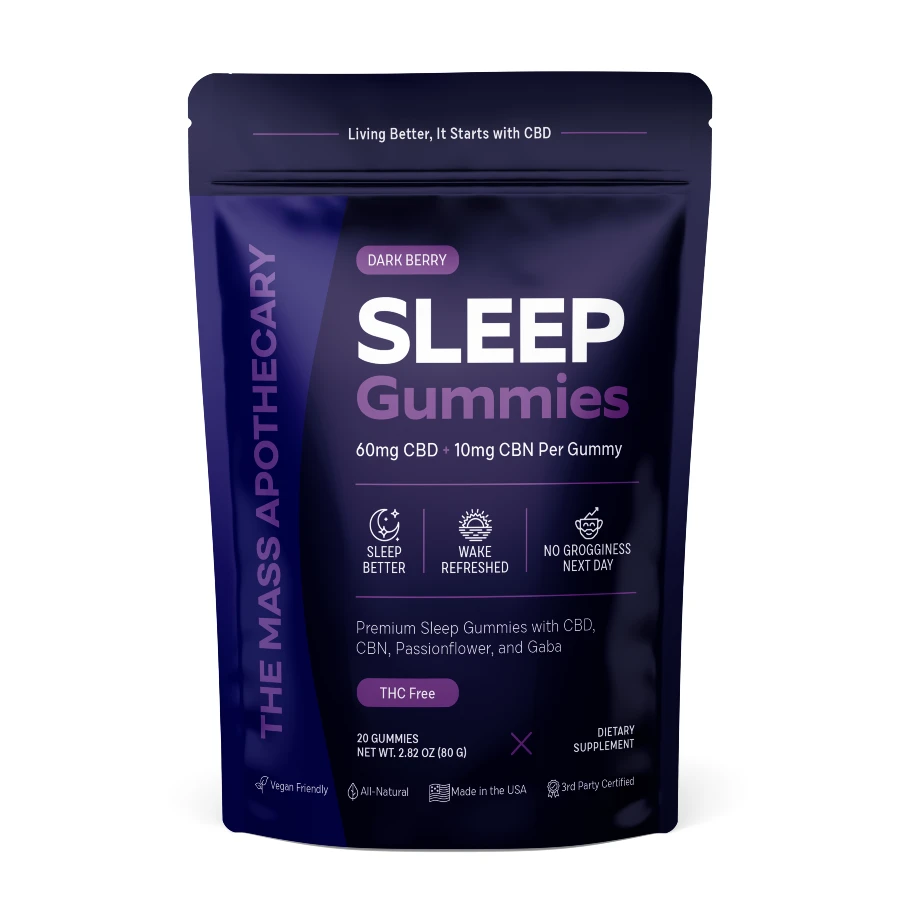
• CBN Gummies: One of the most popular formats, gummies offer a pre-measured dose and are easy to incorporate into a bedtime routine. Look for products that clearly label CBN content per serving.
• CBN Tinctures and Oils: Absorbed sublingually (under the tongue), tinctures tend to take effect faster than gummies since they bypass the digestive process. They also allow for more precise dose adjustments.
• CBN Capsules: A straightforward option for people who prefer a supplement-style format with no taste.
• Combination Products: Many high-quality sleep formulas pair CBN with CBD, CBG, or melatonin to create a more complete sleep support stack.
When shopping for CBN products, always look for third-party lab testing (also called a Certificate of Analysis, or COA) to confirm the CBN content and verify the product is free of pesticides and heavy metals.
How Much CBN Should You Take for Sleep?
Based on the available clinical research, doses ranging from 20mg to 50mg taken before bed appear to be the range most associated with meaningful sleep improvements. The 2024 large-scale trial found results at all three doses tested (25mg, 50mg, and 100mg), suggesting you don’t necessarily need to go higher to feel the benefits.
If you’re new to CBN, starting at a lower dose (10mg to 20mg) and gradually increasing over a week or two is a sensible approach. Everyone’s endocannabinoid system is slightly different, so your ideal dose may be different from someone else’s.
It’s also worth factoring in the delivery method. Tinctures typically take effect within 15 to 45 minutes, while gummies and capsules may take 45 minutes to 90 minutes because they must travel through the digestive system first. Plan accordingly and take your CBN product at least an hour before you intend to fall asleep.
Is CBN Safe to Use for Sleep?
Current research suggests CBN has a favorable safety profile. Unlike prescription sleep aids, it does not appear to carry a risk of dependence, and clinical trials have not identified significant adverse effects at therapeutic doses. Prior placebo-controlled trials using cannabis extracts containing CBN have reported the compounds to be safe for patients with chronic insomnia.
That said, CBN research is still relatively early compared to more established sleep aids. If you are pregnant, nursing, taking prescription medications, or managing a chronic health condition, it’s worth speaking with a healthcare provider before adding any cannabinoid supplement to your routine. CBN can also potentially interact with medications that are processed by the liver’s cytochrome P450 enzyme system, the same pathway affected by grapefruit.
The Bottom Line: Is CBN Worth Trying for Sleep?
If you’re someone who struggles with fragmented sleep, repeated nighttime wake-ups, or waking up feeling unrested despite spending enough hours in bed, CBN is one of the more compelling natural options backed by an increasingly solid body of clinical evidence.
It works differently from melatonin and CBD, addressing sleep from the level of your nervous system and sleep architecture rather than just your circadian timing. The research from 2024 and 2025 in particular paints an encouraging picture, with results from thousands of participants showing real, measurable sleep improvements.
As with any supplement, quality matters. Choose products with verified CBN content, third-party lab testing, and transparent labeling. Start low, be consistent, and give your body a few weeks to respond before drawing conclusions.
Better sleep is one of the highest-leverage investments you can make in your health. If CBN can help you get there, it’s worth understanding.